Sleeping with scoliosis: what matters when you lie down.
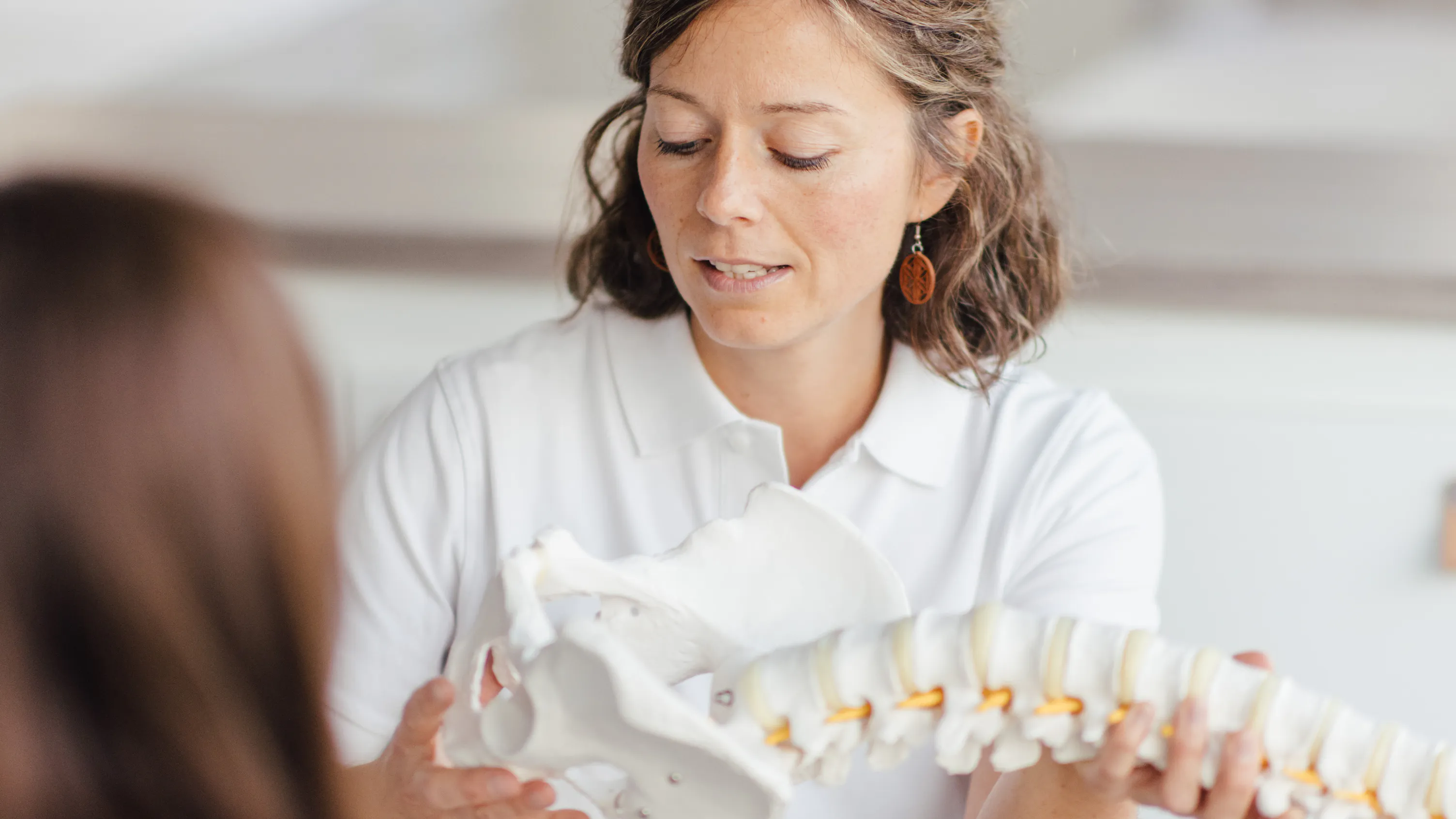
With scoliosis, pressure is distributed differently when you lie down. Physiotherapist Astrid Merl explains what to consider when choosing a mattress and sleep position, and what their limitations are.
The right mattress for scoliosis
Back pain, tension and restless nights: for people with scoliosis, sleep can be challenging.
The sideways curvature of the spine changes body alignment and can put more pressure on certain areas of the body when lying down. A suitable mattress and a comfortable sleep position can help reduce pressure and improve sleep comfort.
But which mattress is suitable for scoliosis? Which sleep position can relieve pressure on your back, and what should you look for when choosing a sleep system? We asked physiotherapist and somyaTEQ managing director Ilyas Merl to share his experience and expertise.
What is scoliosis? Causes and types of spinal curvature
Scoliosis is a three-dimensional deformity of the spine in which it curves sideways and the vertebrae may also rotate. Scoliosis often develops during growth, particularly during puberty. In many cases, no clear cause can be identified.
Scoliosis can also develop in adulthood, or an existing curvature can change. Age-related changes to the spine, for example, can lead to what is known as degenerative scoliosis.
Depending on its severity, spinal curvature can visibly affect posture. The shoulders or pelvis may be at different heights, and the back may appear asymmetrical. Whether symptoms occur, and how severe they are, depends in part on the cause, the degree of curvature and any associated conditions.
Not every case of scoliosis causes pain. For some people, changes in posture are the main concern, while others experience back pain, muscle tension or restricted movement.
What symptoms can scoliosis cause?
Symptoms of scoliosis can vary considerably. Some people mainly notice changes in their posture, while others experience recurring or chronic back pain.
Possible symptoms of scoliosis include:
Back pain: Your back may hurt, especially after sitting or standing for a long time.
Muscle tension: Uneven strain can mean that certain muscle groups have to work harder.
Neck and shoulder pain: Changes in posture can also affect the shoulder and neck area.
Restricted movement: Depending on the severity of the scoliosis, movement in the torso may be restricted.
Asymmetrical posture: Shoulders or hips at different heights, or a protruding rib area, may be signs of scoliosis.
If needed, a medical professional should assess whether symptoms are actually related to scoliosis. It is particularly important to consider other possible causes if pain is new or getting worse.
How does scoliosis affect sleep?
If you have scoliosis and back pain, you may know the problem: it can be hard to find a comfortable sleep position, certain areas of your body hurt when you lie down, and you keep changing position during the night.
Changes in body shape can cause pressure to be distributed differently across the shoulders, hips and other contact areas than it would be with a straight spine. An unsuitable mattress can further affect comfort if it gives too much in some areas or does not provide enough support.
Pain can make it harder to fall asleep and may lead to frequent waking. This can reduce sleep quality, which in turn may affect your wellbeing and ability to function during the day.
However, sleep problems with scoliosis are not necessarily caused by the mattress. Pain levels, your individual sleep position and other health factors also play a part.
That is why it is worth taking a closer look at your sleep environment and seeing how you can make your sleeping position more comfortable.
Which mattress is right for scoliosis?
The right mattress for scoliosis can help support your body comfortably when you lie down and reduce pressure. However, it cannot straighten the curvature of your spine or cure scoliosis.
The key is for the mattress to adapt to your individual body shape while still providing enough support. It should neither give way too much nor create uncomfortable pressure points.
These are the features to look for in a mattress for people with scoliosis:
Adapts to your individual body shape: The mattress should take your individual body shape into account and provide appropriate support for different areas of your body.
Pressure relief: The mattress should give comfortably around your shoulders and hips in particular, to help avoid excessive pressure.
Adequate support: Your body should not sink in uncontrollably. The aim is to find a comfortable, natural lying position.
Suitable hardness grade: Whether a softer or firmer mattress is more suitable depends in part on your body weight, body shape and personal comfort preferences.
Adjustable to your needs: If you have pronounced asymmetries, adjusting the sleep system may be helpful, as long as it suits your personal needs when lying down.
That is why you should not choose an ergonomic mattress based only on its hardness grade or model name. What matters more is how well it actually supports your body and whether you find the lying position comfortable.
Which sleep position is recommended for scoliosis?
There is no single sleep position that suits everyone with scoliosis. The most comfortable position depends in part on the shape of the spinal curvature, your individual symptoms and the type of mattress.
Side sleeping: Many people find lying on their side comfortable. A pillow between your knees may help align your pelvis and reduce excessive twisting of your torso. It is important to have enough room for your shoulders and hips and to avoid uncomfortable pressure points.
Sleeping on your back: Sleeping on your back can also help distribute your body weight evenly across the mattress. For some people, a pillow under the knees may relieve pressure on the lower back. Whether this position is suitable depends on your individual symptoms.
Sleeping on your stomach: For some people, sleeping on their stomach can cause more neck rotation or uncomfortable strain on the lower back. However, if you sleep comfortably in this position, you do not necessarily need to avoid it.
As a general rule, the best sleep position for scoliosis is the one in which you can lie as comfortably as possible without developing additional pain. If symptoms persist, advice from a physiotherapist may help you find suitable positions and ways to support your body.
Why physiotherapy matters for scoliosis
A suitable mattress can improve sleep comfort, but it is not a substitute for medical treatment. Depending on the type and severity of scoliosis, regular medical check-ups and targeted physiotherapy may be helpful.
Physiotherapy may aim to improve mobility, strengthen the torso muscles and help you manage your individual posture. Special physiotherapy approaches are used for certain types of scoliosis.
The right treatment should be agreed on individually with a healthcare professional. This is particularly important if the scoliosis is progressing or you are experiencing severe pain.
In summary: sleep more comfortably with scoliosis and the right mattress
Scoliosis can affect posture and cause back pain, muscle tension and sleep problems for some people. A mattress suited to your individual needs can help reduce pressure points, support your body comfortably and promote overnight recovery.
The key is for your mattress and sleep position to suit your individual needs. Since every spinal curvature is different, there is no one-size-fits-all solution.
Would you like to find out which mattress suits your body if you have scoliosis?
At somyaTEQ, your individual needs when lying down come first. Our sleep experts, certified by the Proschlaf® Institute, can help you find a suitable sleep system. During a free assessment using the patented sleep ergonomics simulator, we measure how you lie down and use this as the basis for personalised advice.
The modular construction of the somyaTEQ sleep system allows us to take different support needs into account when putting your mattress together.
Arrange a no-obligation appointment at somyaTEQ and find out how a sleep system tailored to your needs can improve your comfort when lying down.